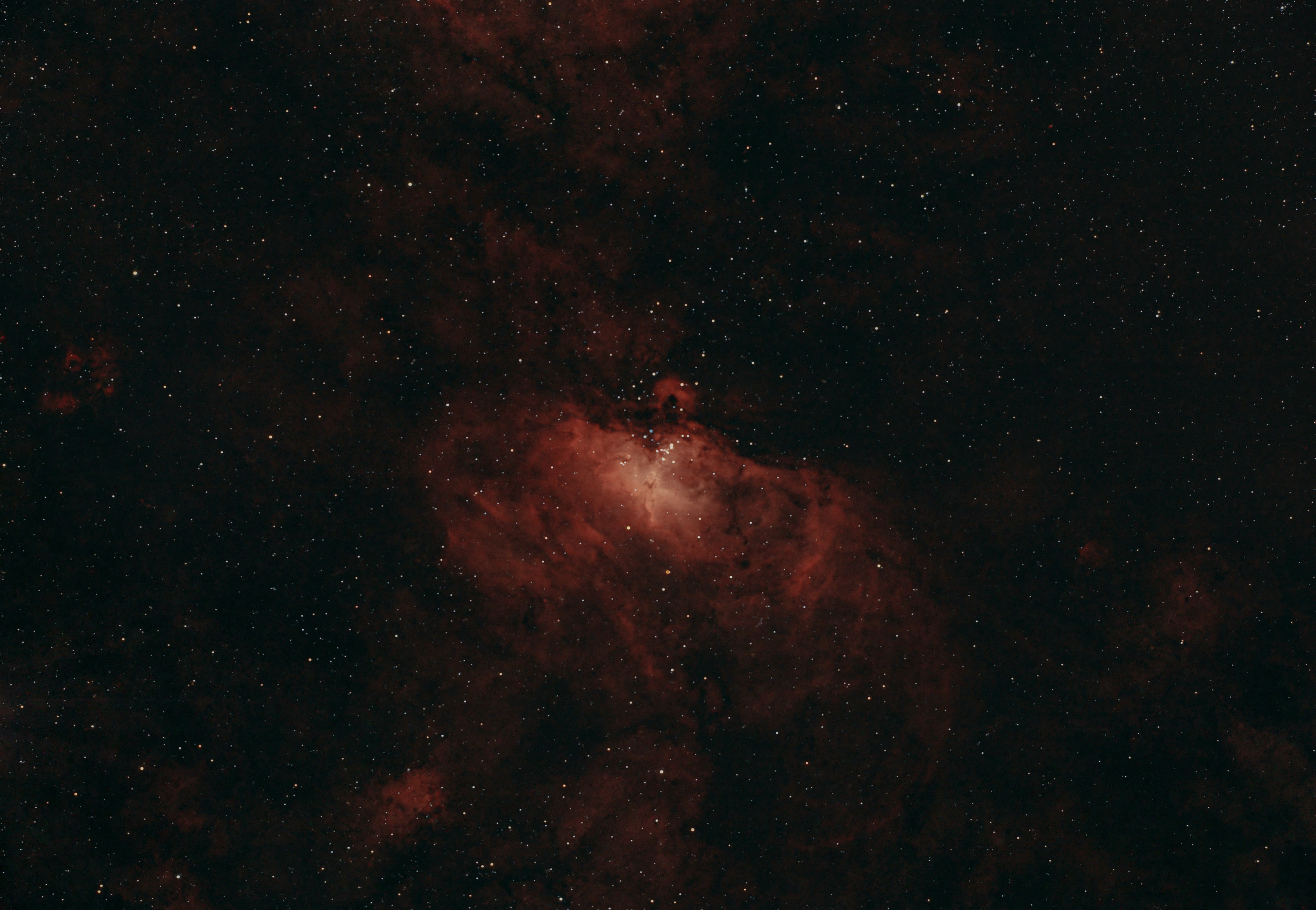
The Orion Nebula, The Andromeda Galaxy, The Great Hercules Star Cluster. You often hear about celestial objects like these but what actually are they? What is a Nebula? What makes up a Galaxy? What’s the difference between an Asterism and a Star Cluster? Let’s find out!
Nebula
Let’s start with my favourite, Nebulae! These are my favourite things to image. In a nutshell, a Nebula is a giant cloud of gas and dust in space. This is where stars are born. When we image these objects, they can be few different colours depending on the type of gas they are made up of. Here’s a quick breakdown of what gases there are and what colours they produce:
- Hydrogen-alpha – Red & Pink. This is the most common gas in the universe. Many of the nebulae you see photographed have a lot of this colour in them. Example: The Lagoon Nebula (M8) is a cloud of hydrogen gas.
- Oxygen – Green and Blue. Oxygen atoms emit green light at 500.7 nm when they are highly energized. Special filters are often required to really bring out these colours in images. Example: The Orion Nebula (M42) and the Helix Nebula (NGC7293) often appear with greenish-blue hues.
- Sulfur – Deep Red. This often blends with hydrogen’s red glow. Example: Many emission nebulae, like the Eagle Nebula (M16), have reddish areas from sulfur.
- Nitrogen – Reddish Purple. It emits light at wavelengths close to hydrogen’s red emission but can sometimes be slightly more purple. Example: The Trifid Nebula (M20) has nitrogen emissions contributing to its red tones.
- Dust – Brown and Dark. Interstellar dust doesn’t glow like gases but instead absorbs and scatters light. This makes some parts of nebulae appear dark brown or black. Example: The Horsehead Nebula is a dark nebula made up of dust that blocks background light.
Types of Nebulas
Emission Nebula
- These nebulae produce their own light and glow brightly because their gas is energized by nearby hot stars. Example: The Orion Nebula (M42) is a famous emission nebula visible to the naked eye.

Reflection Nebula
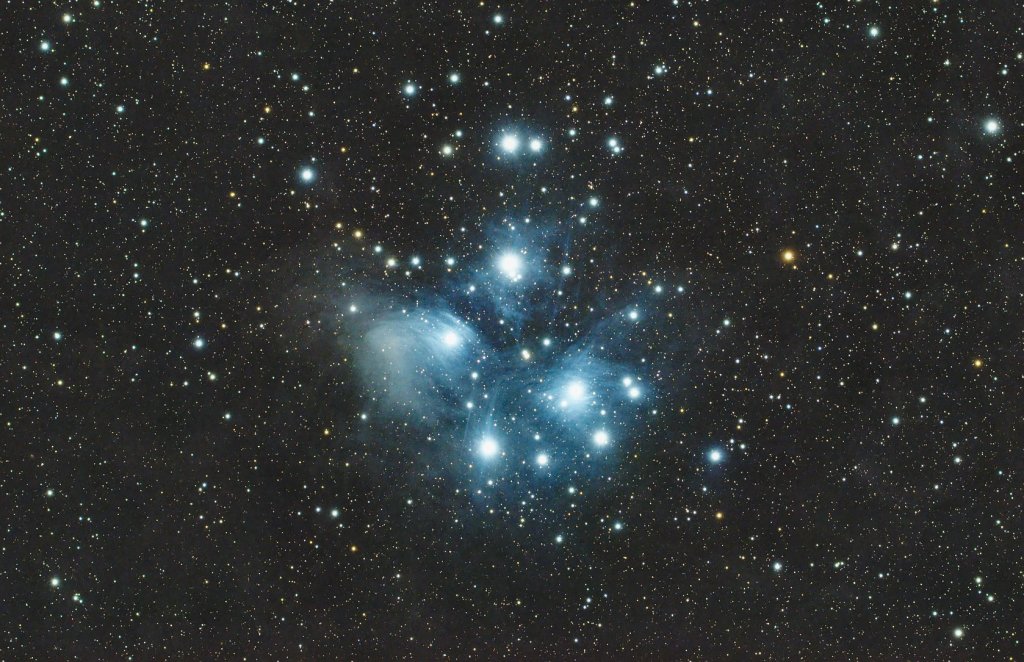
- These nebulae do not produce their own light but reflect the light of nearby stars. They often appear blue because blue light scatters more than red light. Example: The Pleiades Nebula (below) around the Pleiades star cluster.
Planetary Nebula
- Formed when a dying star (like our Sun in the distant future) sheds its outer layers, leaving a glowing shell of gas. Despite the name, they have nothing to do with planets. Example: The Dumbell Nebula (M27) (below) in the constellation Lyra.

Supernova Remnants
- Created when a massive star explodes in a supernova, leaving behind an expanding cloud of gas and dust. Example: The Crab Nebula (M1), which came from a supernova explosion seen in 1054 AD.

Galaxies
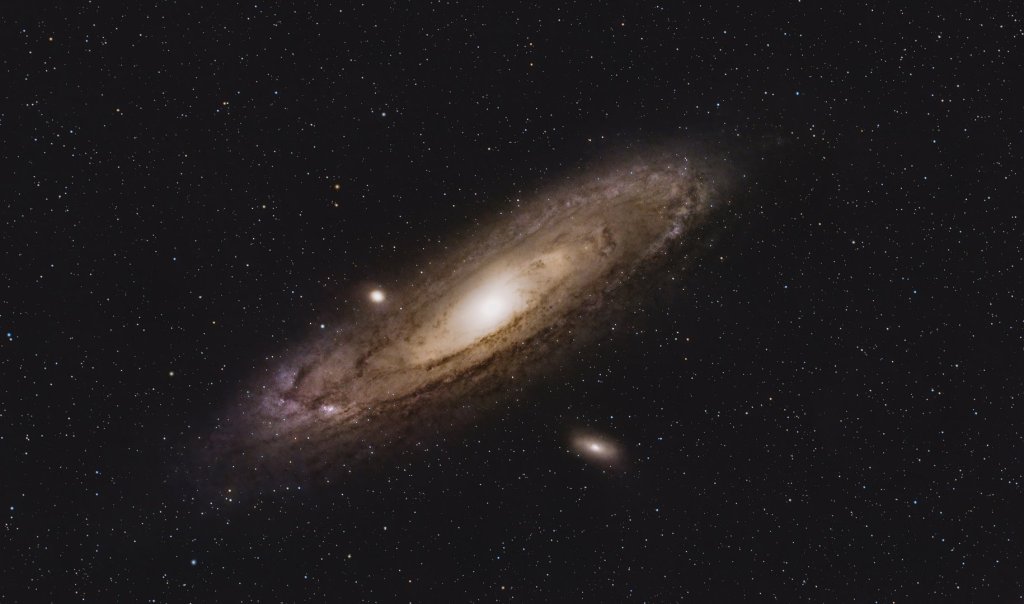
Now lets move on to Galaxies. Almost all of us know what a Galaxy is. The one we live in is called The Milky Way Galaxy and in the last post we talked about our closest neighbour, The Andromeda Galaxy. The best way to define a galaxy is a massive system of stars, dust, gas and dark matter. All of this is held together by gravity. You can think of galaxies as islands floating around in space with huge distances between them. They are always moving and sometimes collide with each other, like how our Milky Way and Andromeda will eventually merge together in the future.
There are a few different types of galaxies that we currently know about:
Spiral Galaxies
- Have a central bulge surrounded by rotating spiral arms.
- The arms contain young, bright stars, gas, and dust, making them excellent star-forming regions.
- Our Milky Way and the Andromeda Galaxy (M31) are both spiral galaxies.
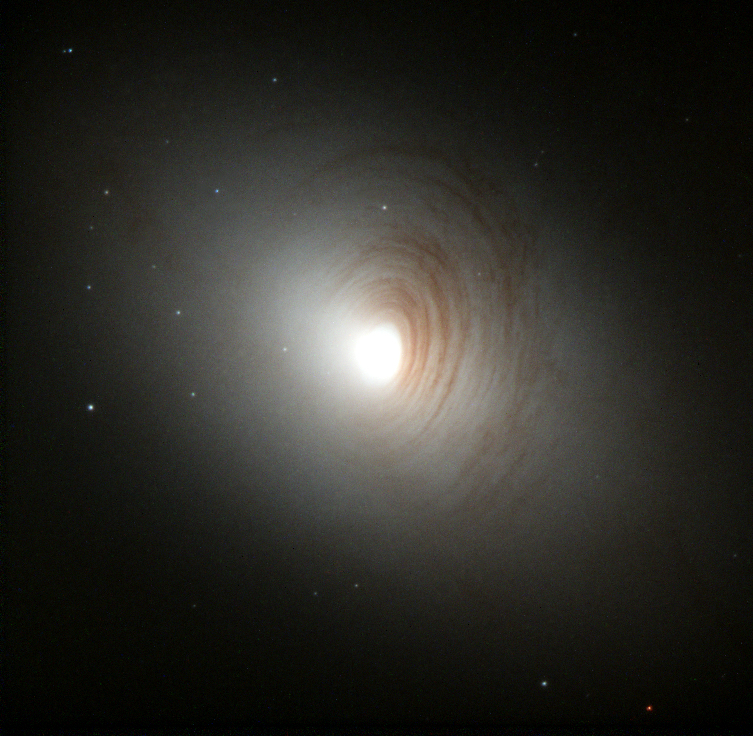
Elliptical Galaxies 🟡
- Shaped like smooth, elongated spheres, ranging from nearly round to very stretched-out.
- Contain mostly older stars with little gas and dust, meaning they have very little new star formation.
- Can be tiny (dwarf elliptical) or huge (giant elliptical).
- Example: NGC 4564, located about 57 million light-years away in the constellation Virgo
Irregular Galaxies
- Have no clear shape—often appear messy or distorted.
- Many irregular galaxies were likely spirals or ellipticals that got deformed by collisions with other galaxies.
- Contain lots of gas and dust, making them active star-forming regions.
- Example: The Large Magellanic Cloud (LMC), a small galaxy near the Milky Way.

Lenticular Galaxies (S0)
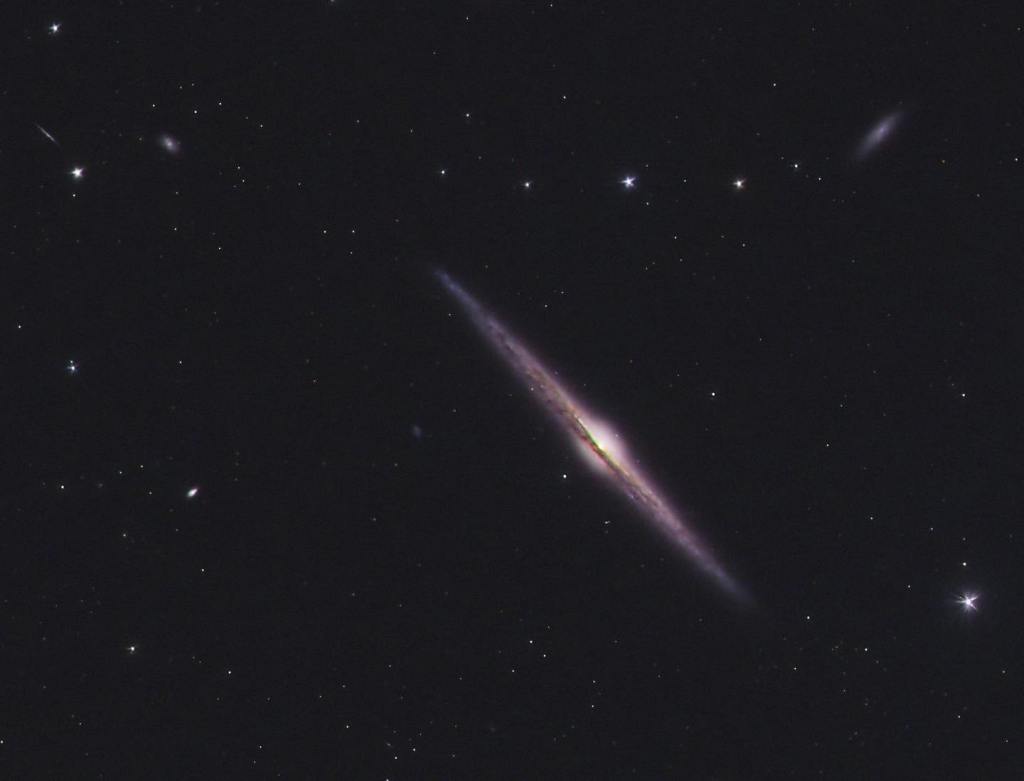
- A mix between spiral and elliptical galaxies—have a disk like a spiral but no spiral arms.
- Contain older stars and very little gas, meaning they don’t form many new stars.
- Example: NGC 5866, which is thought to be a lenticular galaxy.
Star Clusters
Star Clusters are pretty much exactly as they sound. They are groups of stars that formed together from the same giant cloud of gas and dust. Since they originated from the same material, the stars in a cluster are roughly the same age and have a similar composition. Star clusters are held together by gravity and are found within galaxies, including our Milky Way.
There are two main types of star clusters:
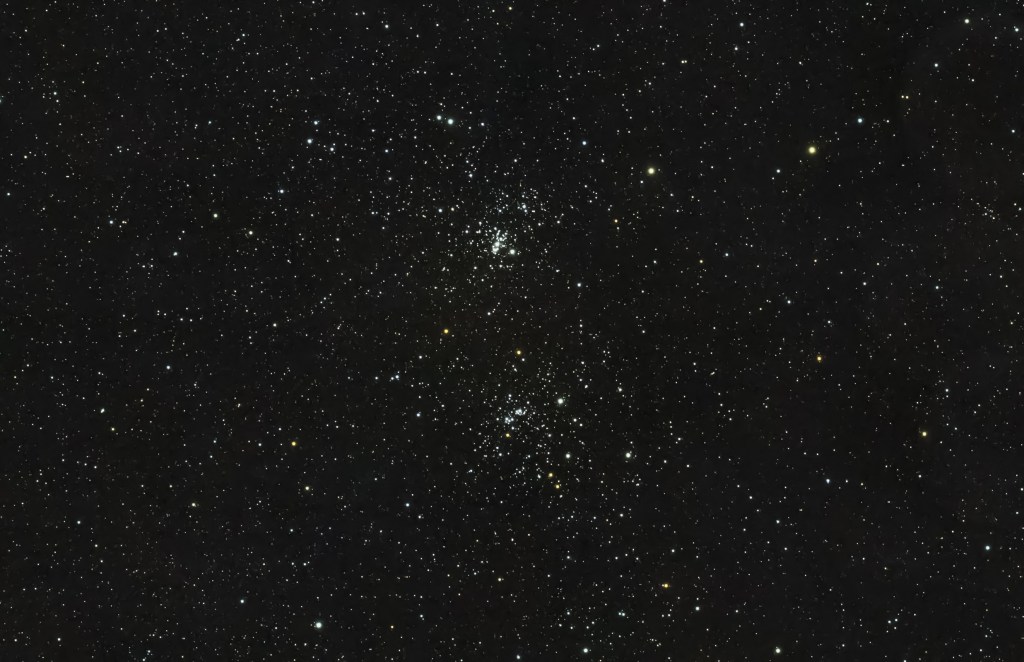
- Open Clusters – these are relatively young groups of stars, often containing hundreds to a few thousand stars. They are loosely bound by gravity, meaning they tend to drift apart over time. Example: The Double Cluster in Perseus
- Globular Clusters – These are older, densely packed groups of stars, containing thousands to millions of stars. They have a spherical shape and are held tightly together by gravity. Globular clusters are much older than open clusters, often over 10 billion years old. Example: Messier 13 (Hercules Globular Cluster) in Hercules.

So what is the difference between a Star Cluster and an Asterism? Star Clusters are physically related stars that formed together. An Asterism is a pattern or grouping of stars in the sky. An example of an asterism would be The Big Dipper constellation.
Hopefully this helped explain a bit more about what these three celestial objects are and where they came from. Join me next time where we learn all about The Orion Nebula and all the amazing objects in it!

 Starry Skies