
Pollution is a hot topic these days, and we’re constantly looking for ways to reduce it—whether it’s carbon emissions, garbage islands in the ocean, pollutants seeping into our waterways and aquifers, or just plain old littering.
Unfortunately, there doesn’t seem to be a way to stop it all completely—only to lessen the impact. In many cases, the damage done to our planet feels irreversible.
But light pollution? That’s something we can control.
Turn off the lights—problem solved.
Okay, maybe it’s not quite that simple. But when it comes to light pollution, there are real, tangible actions we can take as individuals that make a difference.
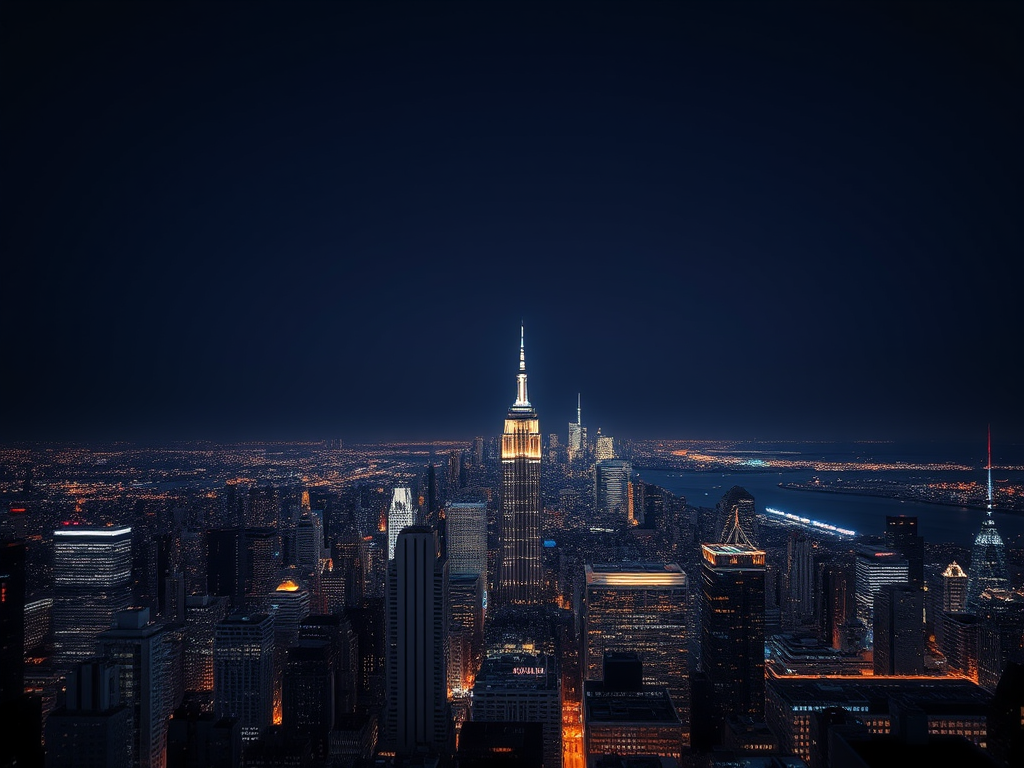
As our cities grow and expand, it’s becoming harder and harder to find a truly dark place to experience the night sky.
Have you ever driven out to the country, far away from the city lights, and just looked up? It feels like you’ve landed on a different planet.
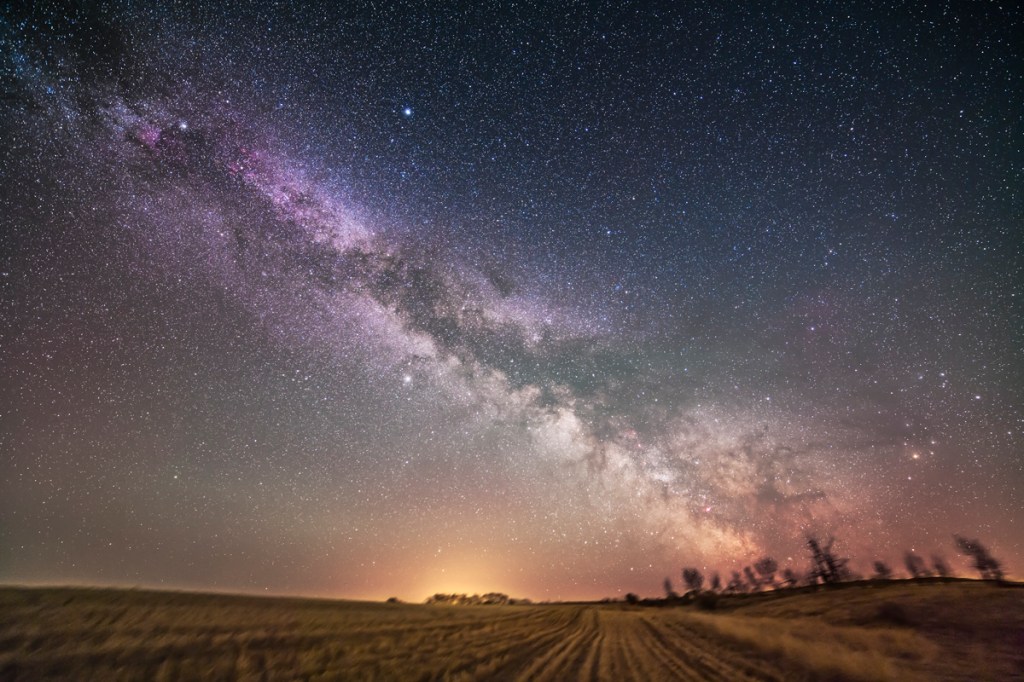
In urban areas, you’re lucky if you can make out the main constellations. In big cities like Toronto or New York, you might only see the moon—or maybe a planet or two if you’re really looking.
We’ve forgotten how important it is to see the beauty of the night sky.
Many of our children are growing up never knowing what a real, star-filled sky even looks like. To me, that’s a tragedy.
It’s a disservice to the next generation—and it’s something we can change if we start taking steps in the right direction.
It’s not just our ability to see the stars that’s being impacted—light pollution has a huge effect on nature and wildlife.
Plants and animals rely on the natural cycle of light and dark for critical behaviors like reproduction, feeding, sleep, and avoiding predators. Predators use light to hunt, while prey species rely on darkness for cover.
In large cities, cloudy skies can now be hundreds—or even thousands—of times brighter than they were just 200 years ago.
The glare from artificial lighting can seriously disrupt wetland habitats, home to amphibians like frogs and toads. Their nighttime croaking is part of their breeding ritual, and artificial light can interfere with this behavior, affecting reproduction.
Sea turtles are another heartbreaking example. Although they live in the ocean, they hatch at night on the beach. Hatchlings find the sea by looking for the brightest horizon—normally, that’s over the ocean. But artificial lighting draws them inland, away from the water. In Florida alone, millions of baby sea turtles die this way every year.
Bird migrations are also heavily affected by light pollution.
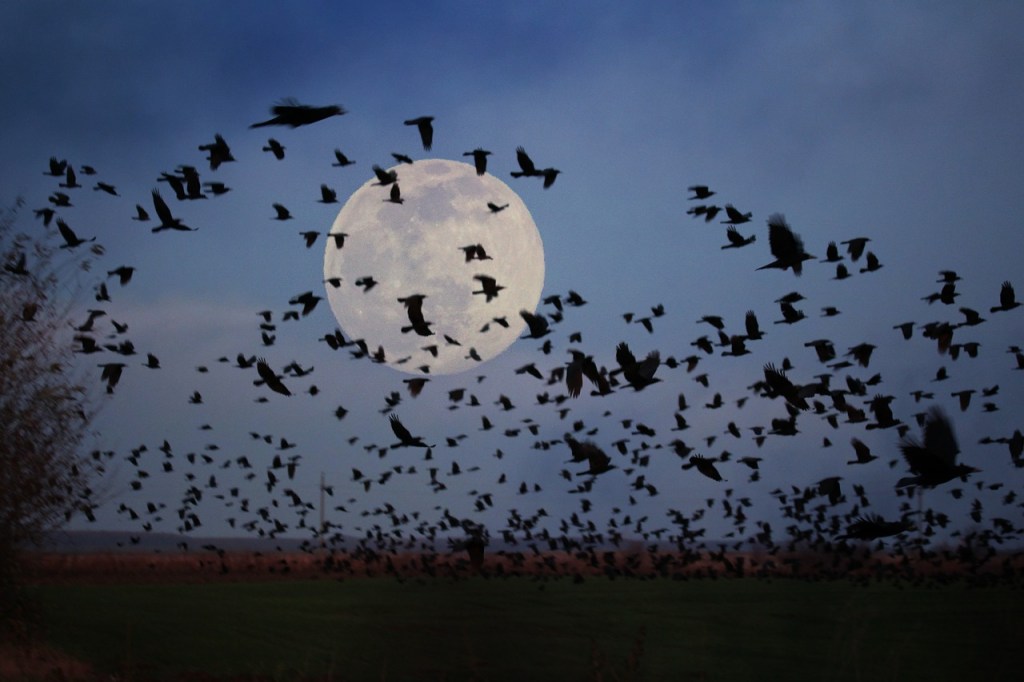
Many birds that migrate or hunt at night navigate by moonlight and the stars. The bright lights of cities can disorient them, throwing them off course. Tragically, countless birds die each year after colliding with tall buildings and windows they can’t see.
Migratory birds also rely on seasonal cues to guide their journeys. Artificial lighting can throw off their internal clocks, causing them to migrate too early or too late. When that happens, they may miss the ideal climate conditions needed for nesting, foraging, or mating—putting entire populations at risk.
The first step to making a difference starts right at home.
Got outdoor lighting? Make a habit of turning it off once everyone is home—or at the very least, before you go to bed.
Want to go a step further? Consider installing motion-sensor lights. That way, you can still have the security lighting you need, but it only comes on when it’s actually needed.
Do we really need our backyards lit up like a circus all night long?
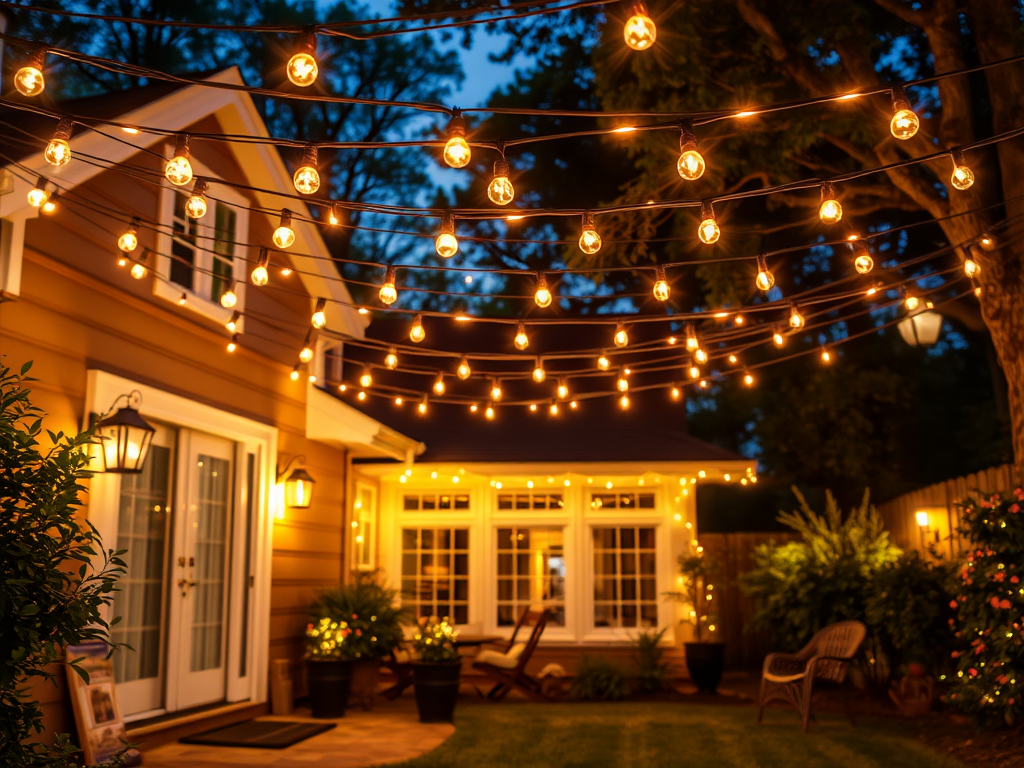
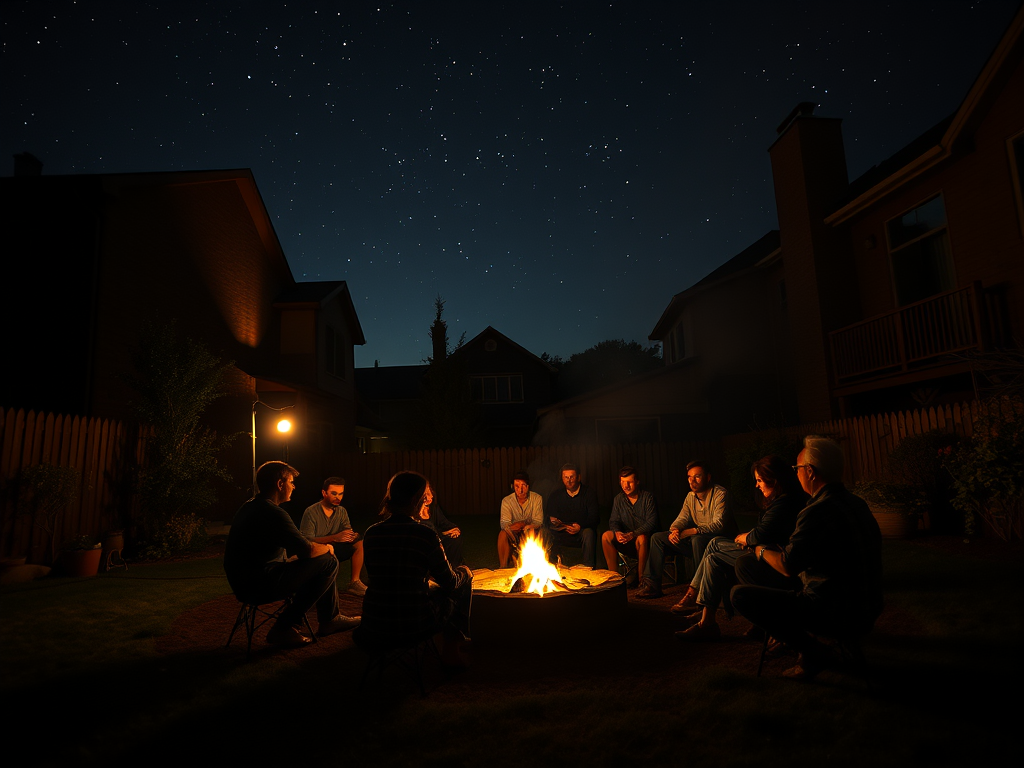
Imagine sitting outside on a warm summer night, enjoying good company—and actually being able to look up and see the stars.
Switching to dimmer lights or using red lighting can also make a difference. And don’t stop at your own home—encourage your friends and family to do the same.
A lot of people just aren’t aware of the issue. Most would gladly make a change if they realized what they were missing.
The next step is where things get a little harder—but also more impactful.
We need to start talking to our city councils and Members of Parliament about this issue. Call them, write to them—ask if your town has any bylaws or guidelines around outdoor lighting.
If not, suggest they consider making a commitment to implementing light pollution ordinances. Encourage them to look into installing proper shielding on existing and future streetlights.
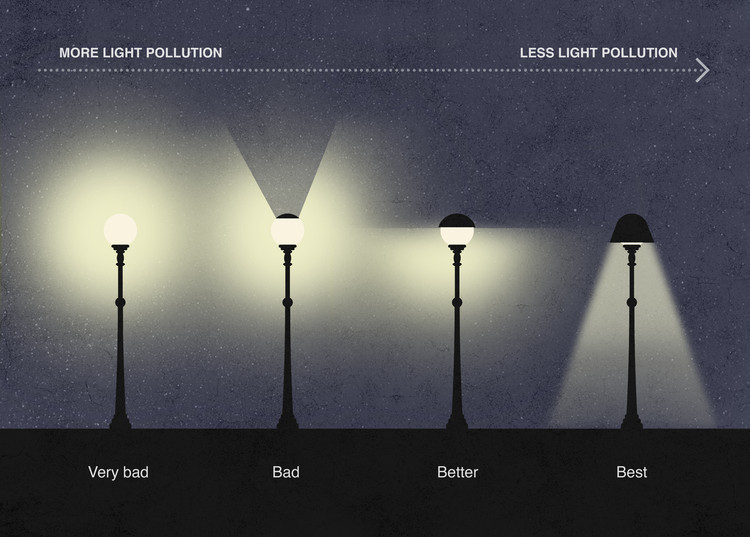
These shields don’t take away from the light we need for safety—they simply direct it downward, where it’s useful, instead of letting it spill up into the sky.
Light pollution may not be the most talked-about environmental issue—but it’s one of the few we can actually do something about, starting right now. Whether it’s turning off our own lights, encouraging our neighbors to do the same, or pushing for better lighting policies in our communities, every small step helps restore the night sky.
Let’s not let future generations grow up without ever seeing the Milky Way. Let’s protect the stars—not just for astronomers, but for everyone who’s ever looked up and felt a sense of wonder.


Leave a Reply